
PCD vs Carbide: Matching Your Tool Material to the Workpiece
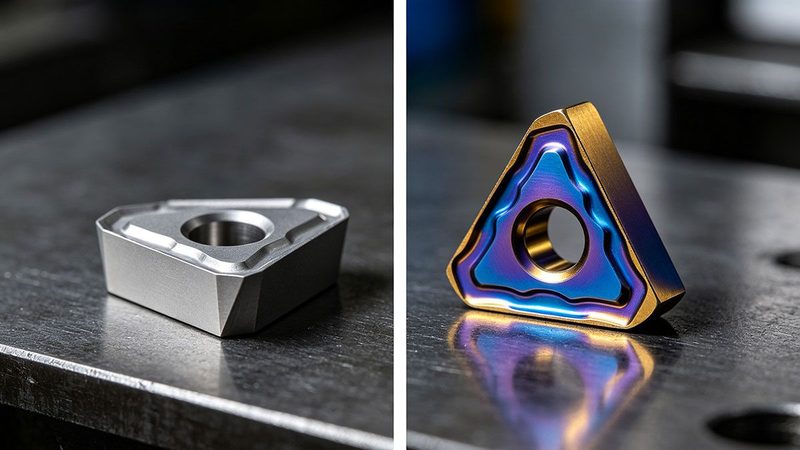
Choosing between polycrystalline diamond (PCD) and tungsten carbide tooling is a decision that directly affects cost per part and productivity. Each material has a clear application zone — the key is matching them to the workpiece.
Carbide: the versatile workhorse. Tungsten carbide inserts and solid tools handle steel, stainless steel, cast iron and hardened materials across turning, milling, drilling and threading. PUTE carbide grades cover the full ISO range and deliver reliable, cost-effective performance for most machining shops.
PCD: extreme wear resistance for non-ferrous. Polycrystalline diamond is the hardest commercial cutting material. PCD tooling excels in aluminum alloys, copper, brass, composites, wood, stone and other non-ferrous workpieces, offering tool life 50-100 times longer than carbide in abrasive materials. It also produces exceptional surface finishes — ideal for mirror-finish machining of aluminum.
PCD: the critical trade-off. PCD is not suitable for machining steel or ferrous metals because the high temperatures and chemical affinity cause rapid wear and edge breakdown. It also carries a higher upfront cost. For high-volume non-ferrous production, PCD pays off dramatically in tool life and cycle time.
How PUTE helps you choose. PUTE supplies both cemented carbide and PCD tooling lines. For steel, stainless and cast iron machining, choose PUTE carbide grades. For aluminum, composites, wood and stone, PUTE PCD tooling delivers maximum productivity and finish quality. Our engineers can recommend the right tool material, grade and geometry for your specific application.