
How to Choose the Right Carbide Grade for Your Turning Application
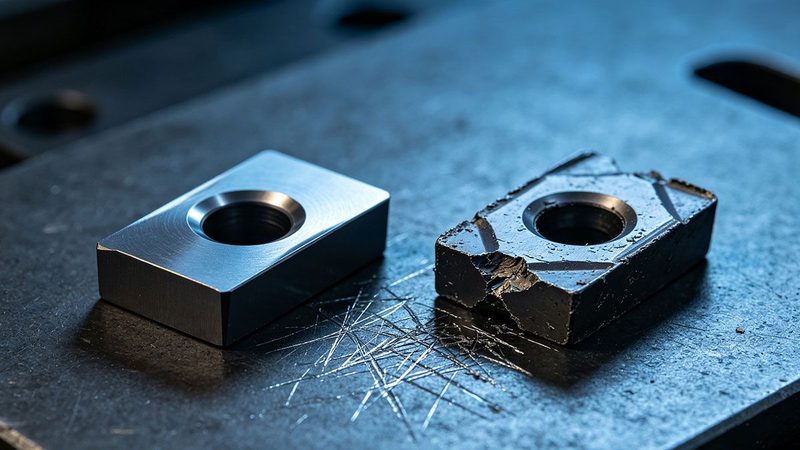
Selecting the correct carbide grade is one of the most important decisions in any turning operation. The right grade balances wear resistance, toughness and thermal stability against the workpiece material and cutting conditions — getting it wrong causes premature failure, poor surface finish or chipping.
Start with the ISO workpiece group. The ISO 513 classification divides workpiece materials into groups: P (steel), M (stainless steel), K (cast iron), N (non-ferrous), S (heat-resistant alloys) and H (hardened materials). Each PUTE grade is engineered for a specific group, so match the grade to the material you machine first.
Match the grade to the operation. Light finishing passes need harder, more wear-resistant grades with sharp edges for a fine surface finish. Heavy roughing and interrupted cuts need tougher grades that absorb shock and resist chipping. PUTE grades are designed across this spectrum — from finishing-optimized to roughing-tough.
Consider coating and edge preparation. CVD-coated grades deliver excellent wear resistance for high-speed steel turning, while PVD-coated grades provide a sharper edge ideal for finishing and for machining stainless steel. Choose edge preparation (sharp, honed or chamfered) based on the stability of the cut.
Verify with cutting parameters. A grade performs differently at different speeds and feeds. When uncertain, start with the manufacturer-recommended parameters for your ISO group, then fine-tune. Consistent coolant delivery and rigid setups extend tool life regardless of grade.
By matching ISO group, operation type, coating and parameters, you will get the most from every PUTE insert — lower cost per edge and predictable machining.