
Ultime notizie
Approfondimenti di settore e aggiornamenti aziendali
-
 Articoli tecnici
How to Choose the Right Carbide Grade for Your Turning Application
Choosing the right carbide grade is critical for tool life and surface finish. Learn how PUTE grades match ISO workpiece groups and cutting conditions to maximize turning productivity.
Read More -
 Articoli tecnici
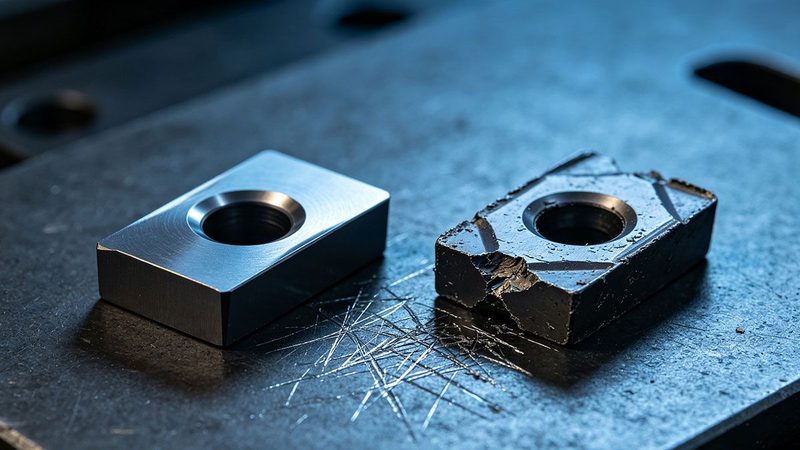
Inserti in carburo vs cermet: quale scegliere?
Gli inserti in cermet offrono una migliore finitura superficiale e resistenza all'usura rispetto al carburo nelle operazioni di finitura dell'acciaio, ma falliscono rapidamente in caso di tagli interrotti o carichi pesanti. Questa guida confronta direttamente i due materiali e fornisce le condizioni in cui ciascuno è la scelta corretta.
Read More -
 Articoli tecnici
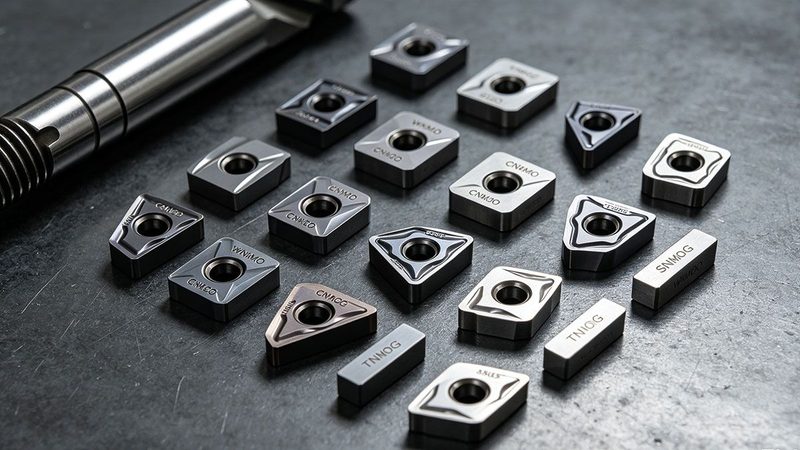
How to Extend Tool Life in Stainless Steel Machining
Stainless steel ruins cutting edges through three linked mechanisms — work hardening, built-up edge and concentrated heat. This guide explains each one and gives the specific grade, coating, geometry, coolant and parameter changes that reliably extend tool life.
Read More -
 Articoli tecnici
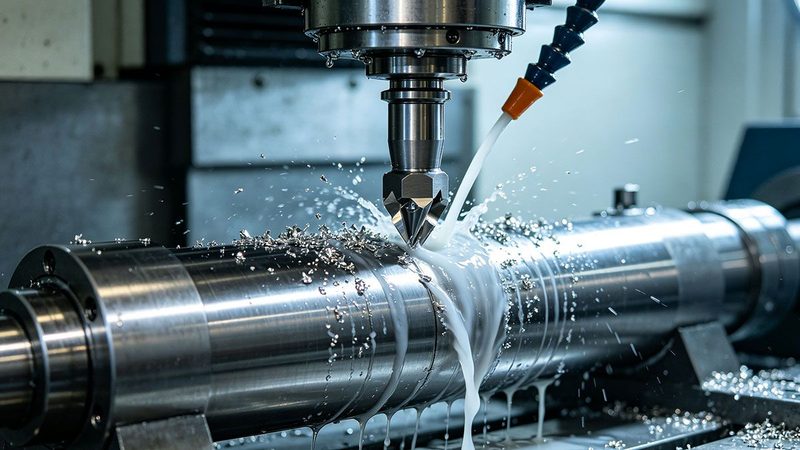
Understanding ISO Material Groups P/M/K/N/S/H for Cutting Tools
The ISO 513 system groups every machined material into six colour-coded families by the wear mechanism it induces on the cutting edge — not by metallurgy. Understanding what each group does to an insert is the fastest route to correct grade, coating and geometry selection.
Read More -
 Articoli tecnici
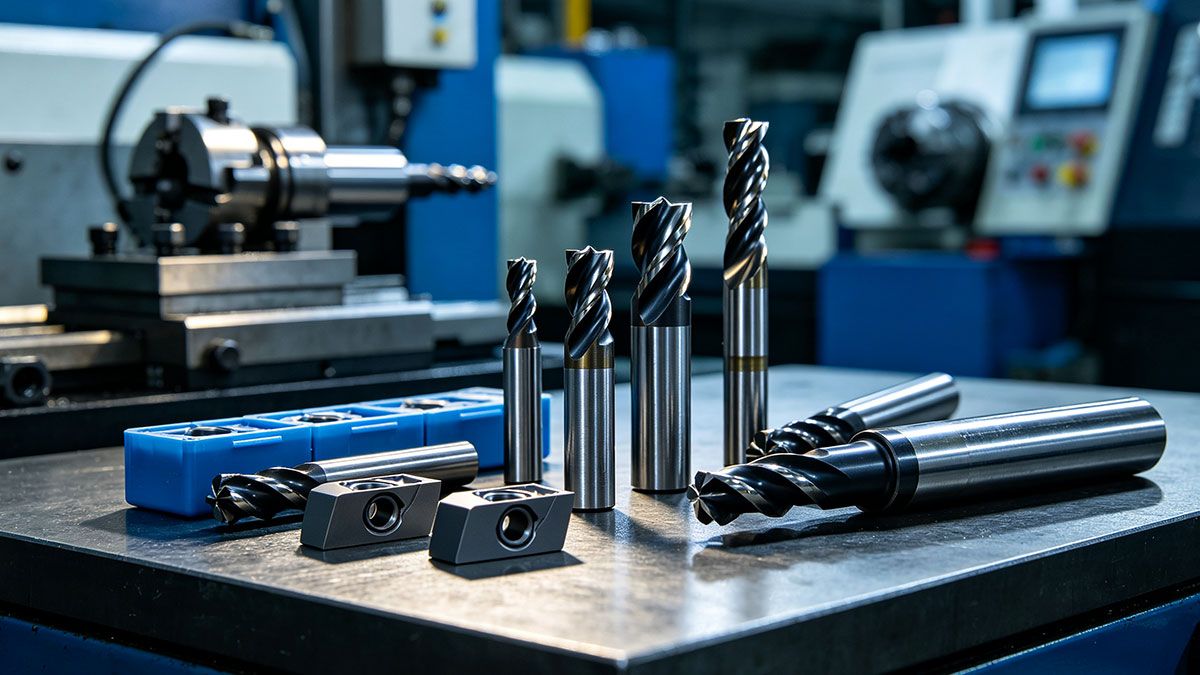
CNC Turning Parameters: Speed, Feed & Depth of Cut | PUTE
Cutting speed, feed rate and depth of cut determine every turning outcome — tool life, surface finish and cycle time. This guide gives the formulas, typical starting values by material, and the adjustment logic to use when the first trial run does not behave as expected.
Read More -
Articoli tecnici
Come scegliere la qualità dell'inserto in carburo | PUTE
La durata dell'utensile e la finitura superficiale dipendono molto più dalla selezione del grado che dai parametri di taglio. Questa guida esamina la durezza del substrato rispetto alla tenacità, la mappatura ISO P/M/K/N/S/H, la scelta del rivestimento e la preparazione del bordo in modo da poter abbinare il giusto grado di metallo duro al materiale del pezzo.
Read More